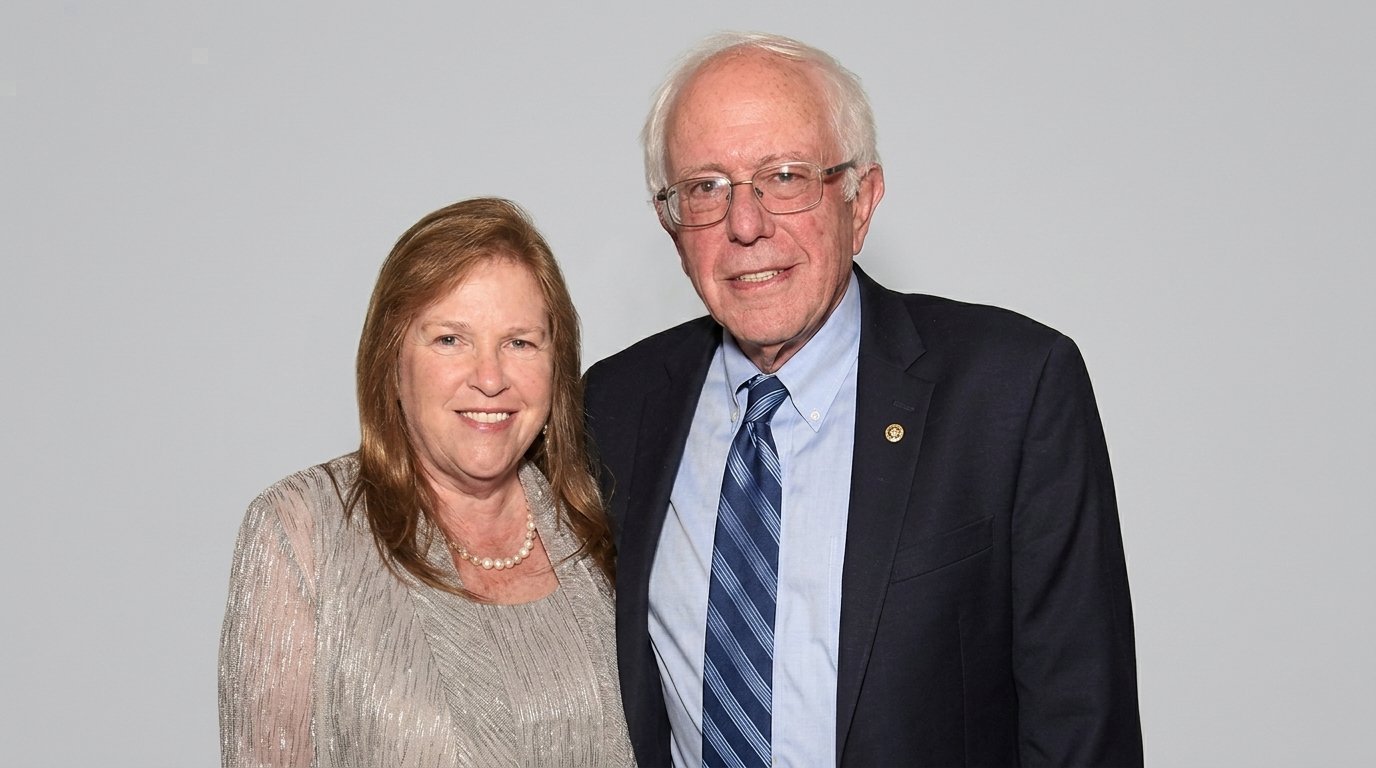
Introduction
Deborah Shiling is best known in public records as the first wife of American politician Bernie Sanders. While she has lived a largely private life away from media attention, her name continues to appear in political biographies due to her early relationship with Sanders during their university years in the 1960s.
Her story is closely tied to an important period in American history when student activism, civil rights movements, and political awareness were rapidly growing. Although she did not pursue a public political career, her early life and marriage place her within the broader narrative of American social change during that era.
Early Life and Family Background
Deborah Shiling was born in 1944 in Baltimore, Maryland, into an educated and professionally established family. Her father, Dr. Moses Shiling, was associated with the medical field and worked at Sinai Hospital in Baltimore, which provided her with a stable and academically oriented upbringing.
Growing up in a mid-20th century American household, she was exposed to a culture that valued education, discipline, and civic awareness. Baltimore during this time was a city marked by both traditional values and emerging civil rights tensions, which influenced many young people of her generation, including Shiling.
Education and Academic Environment
Deborah Shiling later pursued higher education at the University of Chicago, one of the most intellectually influential universities in the United States. The university was known for its strong emphasis on political theory, social sciences, and open debate, which shaped many future thinkers and activists.
During her time there, she experienced an environment filled with political discussion and social activism, particularly related to civil rights and economic inequality. This academic setting played a major role in shaping her worldview and also became the place where her life would intersect with Bernie Sanders.
Meeting Bernie Sanders
Deborah Shiling met Bernie Sanders while both were students at the University of Chicago in the early 1960s. Their connection began through shared social circles and intellectual discussions about politics, equality, and civil rights issues that were highly relevant during that period.
Their relationship developed naturally within the university environment, where student activism was becoming more prominent. Both were young, idealistic, and interested in understanding social justice, which helped form a strong personal bond between them.
Marriage in 1964
In 1964, Deborah Shiling married Bernie Sanders, who at the time was still a young student and political activist rather than a public figure. Their marriage took place during a period when both were still shaping their personal identities and future directions in life.
The early years of their marriage were modest, reflecting the lifestyle of many young couples of the era. They were not yet established professionally, and their relationship existed in a period of transition, both personally and socially, as the United States itself was undergoing major cultural and political changes.
Early Married Life
After their marriage, Deborah Shiling and Bernie Sanders lived a simple life influenced by student culture and early activist ideals. Some accounts suggest that they experienced life in rural and modest settings, reflecting Sanders’ early interest in grassroots living and alternative political communities.
Their time together was marked by youth, experimentation, and evolving political awareness. Like many young couples of the 1960s, they were navigating adulthood while also being influenced by rapid social change across the United States.
Divorce and Separation
The marriage between Deborah Shiling and Bernie Sanders ended in 1966, approximately two years after it began. At the time, both individuals were still young and developing different paths in life, which contributed to the separation.
The divorce is generally described in historical references as amicable and without public controversy. There were no widely reported disputes, and both moved forward in separate directions as their personal and professional lives evolved
Life After Bernie Sanders
Following her divorce, Deborah Shiling stepped away from public attention and chose a private life. She later reportedly remarried, with some sources identifying her second husband as Bob Messing, though she remained outside of public political narratives.
Her post-divorce life reflects a consistent preference for privacy and normalcy rather than media attention. Unlike many individuals connected to public figures, she did not seek public recognition or involvement in political commentary.
Career and Professional Life
Deborah Shiling is believed to have worked in community-oriented roles rather than high-profile professional positions. One of the most commonly cited aspects of her career is her association with cooperative and community-based organizations in Vermont.
She reportedly worked as a buyer for the Hunger Mountain Cooperative, a community-owned natural food cooperative. This type of work reflects a lifestyle focused on local engagement, sustainability, and cooperative economics rather than corporate advancement.
Social Environment and Values
During her early years, Deborah Shiling was part of a generation influenced by civil rights activism and political awareness. While not a public activist in later life, her university years placed her in a strong environment of social engagement and political discussion.
The values associated with her early life suggest an interest in fairness, equality, and community involvement. These values were common among students of the University of Chicago during the 1960s, where political debate and activism were highly visible.
Connection to Bernie Sanders’ Early Life
Deborah Shiling’s relationship with Bernie Sanders remains a notable part of his early biography. Their marriage represents a formative period before Sanders became a nationally recognized political figure.
This relationship is often referenced in discussions of Sanders’ personal history because it occurred during his early ideological development. It reflects a time when he was still shaping the political beliefs that would later define his public career.
Public Interest and Media Attention
Although Deborah Shiling has remained private, media interest in her increased significantly as Bernie Sanders gained national prominence. His presidential campaigns in 2016 and 2020 led to renewed attention on his personal life, including his early marriage.
Despite this attention, Shiling herself has not participated in interviews or public discussions. Most of the available information about her comes from historical references and biographical accounts of Sanders’ life rather than direct public statements.
Personality and Private Life
Deborah Shiling is generally described as a private individual who prefers to stay out of the public eye. Her life choices reflect a consistent pattern of avoiding media attention and maintaining personal privacy.
Her lifestyle appears to be centered around community values and low-profile living. Rather than engaging in public political or media roles, she chose a quieter path focused on personal and local community involvement.
Later Years and Current Status
In later years, Deborah Shiling has continued to live away from public attention. There is limited verified information about her current activities, as she has not maintained a public presence or media profile.
She is believed to be living a private life, likely in her late seventies or early eighties. Her absence from public platforms reflects her long-standing preference for privacy rather than public recognition.
Legacy and Historical Relevance
Deborah Shiling’s legacy is primarily connected to her early association with Bernie Sanders rather than public achievements of her own. However, her life still reflects an important era in American social history.
Her biography represents the private side of historical narratives, showing how individuals who are not public figures can still be part of broader political and cultural stories. Her early life and marriage remain a small but notable chapter in the history of American political biographies.
Conclusion
Deborah Shiling remains a figure of historical interest due to her early marriage to Bernie Sanders and her connection to a transformative period in American political life. While she did not pursue public recognition, her life intersects with important social and academic environments of the 1960s.
Her story highlights the contrast between public political figures and private individuals whose lives briefly intersect with them. Today, she is remembered mainly through historical references, yet her life reflects the broader cultural and social changes of her time.